


How to Add Texture to a Room: Designer Tips
If you’re wondering how to add texture to a room, the right mix of fabrics, finishes and natural materials can instantly make your home feel warmer, more layered and professionally designed.
Texture is one of the most powerful tools in interior design, yet it’s often overlooked. It’s what gives a room depth, character and that cozy, inviting feeling that makes you want to settle in and stay awhile.
Without enough texture, even a room with beautiful furniture and a well-planned color palette can feel flat, unfinished or simply like something is missing.
As a Designer and True Color Expert®, I intentionally layer texture into every client’s room to create visual interest, contrast, warmth and a polished, on-trend look. It’s an essential part of creating a space that feels thoughtfully designed and complete.
Texture becomes even more important when decorating with neutral colors. Layering different textures adds depth and dimension to a neutral palette, preventing the room from feeling flat while creating a warm, sophisticated and inviting look.
So, how do you get the mix just right without making your room feel busy or overdone? Below, I’m sharing my expert interior design advice for how to add texture to a room, including the materials to use, how to layer them and my designer tips for creating a home that feels warm, inviting and beautifully finished.
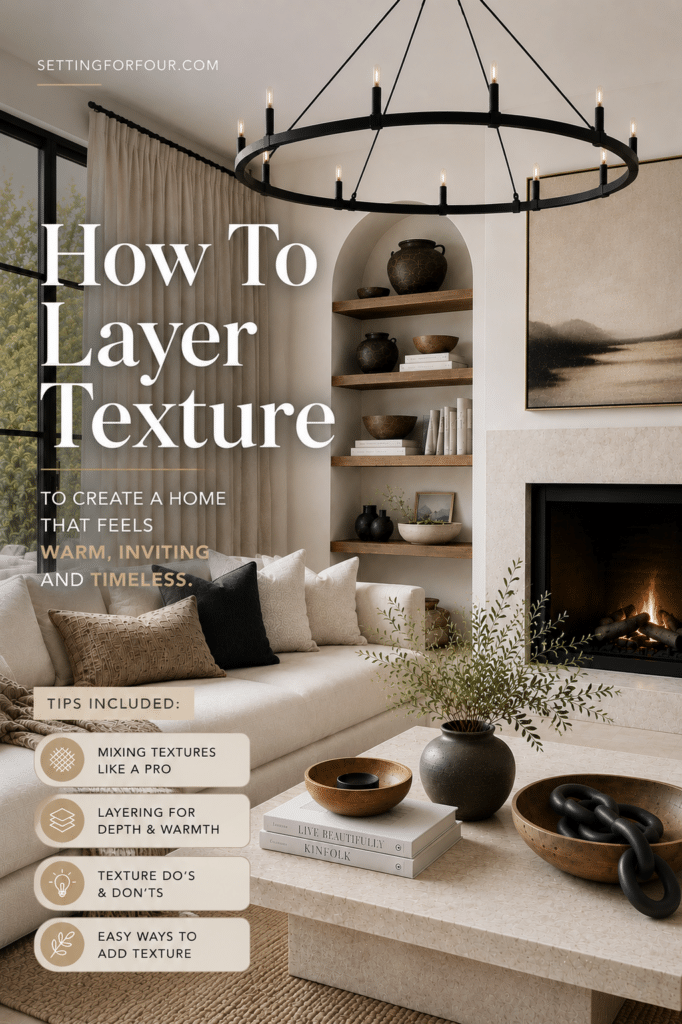
What Is Texture in Interior Design?
Texture in interior design refers to how a material or surface looks and feels.
Think about the difference between:
- smooth marble
- chunky knits
- natural wood grain
- nubby linen
- brushed metal
- woven rattan
- soft velvet
- ribbed glass
- cozy boucle
Each material interacts with light differently and creates a different visual experience.
When several complementary textures are layered together, a room gains dimension.
This is why beautifully designed neutral rooms can still feel incredibly interesting even when they contain very little color.
Designer Tip: When a room feels flat, don’t immediately assume it needs another color. Look at the textures first!
Need design help with a room update, room renovation or new build home?
Or help selecting furniture, with furniture layout, choosing paint colors or finishes like tile and countertops?
I’m a Designer and True Color Expert® – I can help!
See my Virtual Interior Design Services, client reviews and portfolio.
Contact me or email me at [email protected] for more information!
I’d love to work with you!
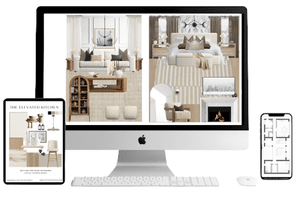

Why Is Texture Important in Interior Design?
Texture gives the eye somewhere to travel.
Imagine a room with a beige sofa, beige rug, beige curtains and beige pillows. If every material has approximately the same smooth finish, the room can look one-dimensional.
Now imagine that same room with:
- an ivory linen sofa
- a softly textured rug
- pinch-pleat linen drapes
- a white oak coffee table
- boucle and velvet pillows
- a woven decorative box set
- a ceramic vase
- a chunky throw
The color palette can remain almost identical, but the room suddenly feels much richer and more sophisticated.
That is the power of texture in interior design.
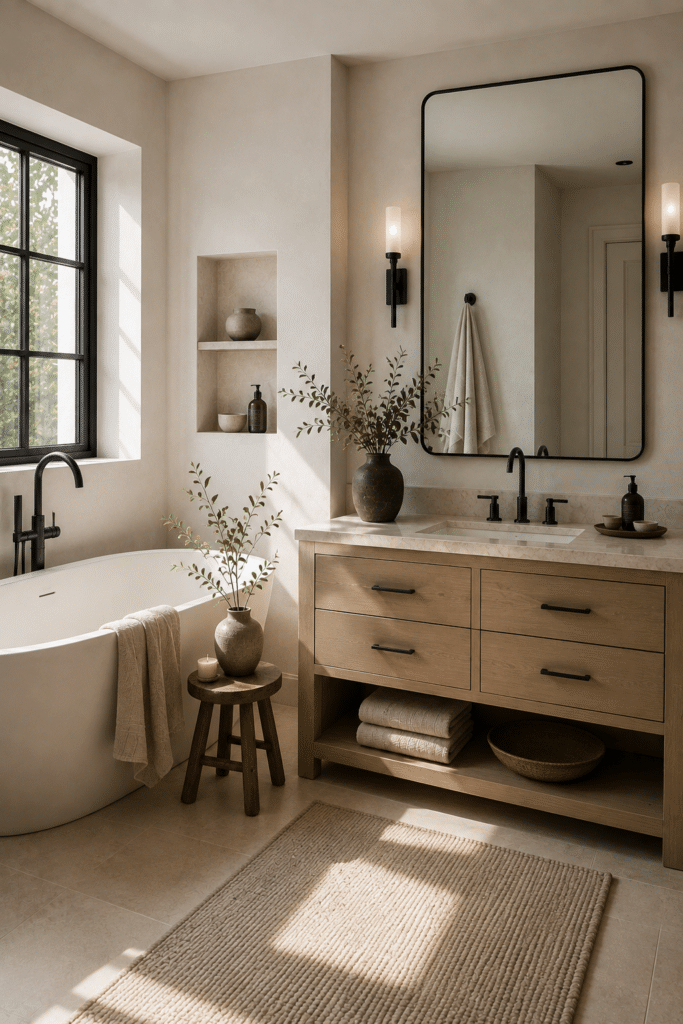
1. Start With a Textured Area Rug
One of the easiest ways to add texture to a room is through an area rug like this bestseller rug.
Because a rug covers such a large surface, it can establish the textural foundation for the entire space.
Look for rugs with visible texture, such as wool, hand-knotted designs, subtle high-low patterns or natural woven materials.
In a neutral living room, I often prefer a rug with subtle tonal variation rather than a completely flat, solid-colored rug.
The variation creates interest without making the room feel busy.
Designer Insider Tip: If you already have several strong patterns in the room, choose a quieter textured rug. If your furniture is mostly solid, the rug can carry more visual texture.
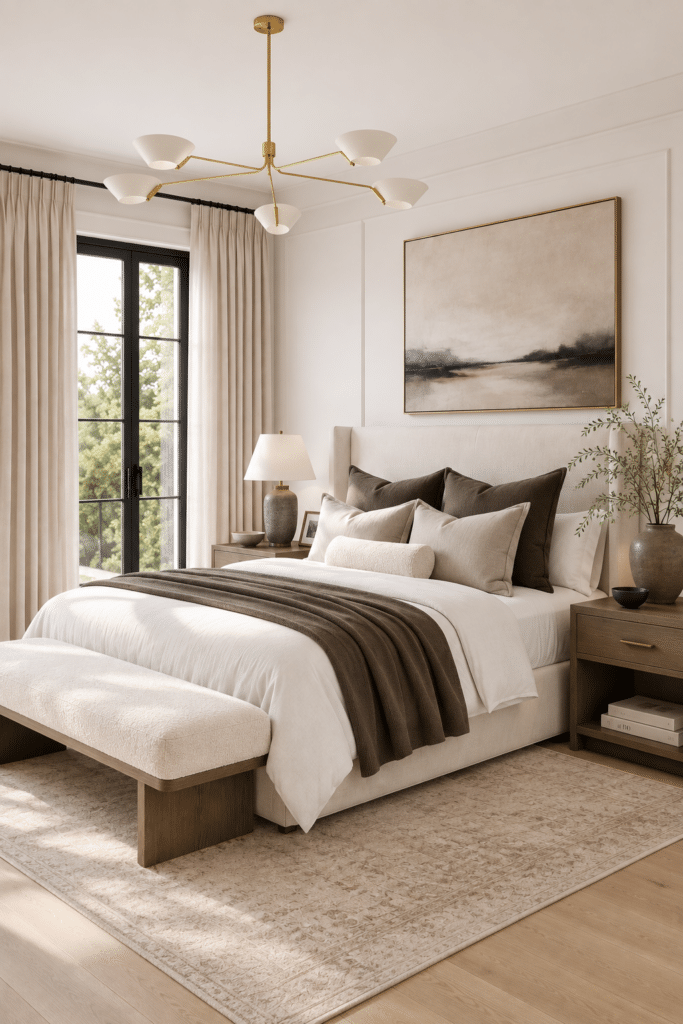
2. Layer Different Pillow Textures
Throw pillows are one of the simplest and most affordable ways to experiment with layering textures.
Instead of buying several pillows made from the same fabric, combine materials.
Try mixing:
- linen
- velvet
- boucle
- woven cotton
- wool
- subtle embroidery
You don’t need every pillow to be different. In fact, too many competing textures can make a sofa look cluttered.
A better approach is to repeat one or two textures and introduce another material for contrast.
For example, an ivory linen pillow could be paired with a warm taupe velvet pillow and a subtly woven lumbar pillow.
The result feels intentional rather than random.
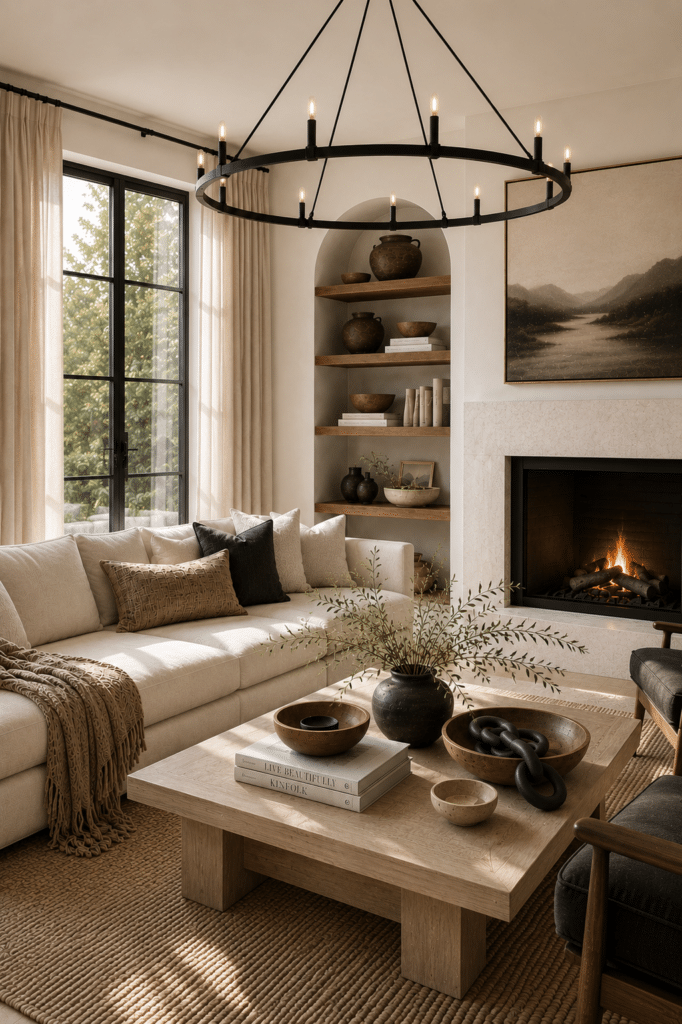
3. Add a Beautiful Throw Blanket
A throw is another easy way to add texture without making a major decorating commitment.
Drape a soft throw over the arm or back corner of a sofa, place one over a chair or fold one at the end of a bed.
Look for materials with a visible weave or tactile quality.
A chunky knit, brushed wool or softly woven throw creates a very different effect from a completely smooth fabric.
Designer Tip: Avoid covering too much of your furniture with throws. You still want to see the shape and upholstery of the sofa or chair.
4. Use Natural Wood to Add Warmth
Wood is one of my favorite ways to bring natural texture into a room.
A white oak coffee table, walnut console, wood stool, side table or decorative bowl introduces beautiful grain and organic variation.
This is particularly useful in rooms with a lot of white, cream, gray or other cool surfaces.
Wood visually warms those harder materials.
However, pay attention to the undertones of the wood.
As a Designer and True Color Expert®, I always consider how wood undertones relate to the room’s paint colors, flooring, upholstery and other finishes.
Yellow or orange-toned woods, for example, will interact very differently with a paint color than white oak or walnut.
Color Tip
Don’t select paint colors independently from your room’s textures and finishes.
Paint undertones can become more noticeable when placed next to wood, stone, upholstery and flooring.
Always test your paint color in the actual room and view it beside the permanent finishes before making your final decision.
5. Bring in Woven Materials
Woven materials are fantastic for adding texture to a room because they create both physical and visual dimension.
Consider adding texture with:
- woven baskets
- cane furniture
- rattan accents
- woven trays
- natural fiber decor
- woven lampshades
You don’t need all of these.
One or two thoughtfully placed woven pieces can be enough.
For example, a large woven basket beside a fireplace or console can soften the harder lines of the architecture while providing practical storage.
6. Add Texture With Window Treatments
Bare windows are one of the biggest missed decorating opportunities I see.
Drapes add softness, movement, height and texture to a room.
They also help visually balance hard surfaces such as windows, walls, cabinetry and furniture.
For a timeless look, consider linen or linen-look drapes with a subtle weave.
Pinch-pleat drapes can also give the room a more tailored, designer look.
Curtain Rod Hanging and Measurement Tip
Whenever possible, hang your curtain rod high and wide rather than directly on the window frame.
As a general starting point, extend the rod approximately 6–12 inches beyond each side of the window when wall space allows.
This lets more of the window remain visible when the drapes are open and can make the window appear larger.
Measure your individual wall and window before ordering because the ideal dimensions will vary by room.
7. Mix Smooth and Rough Surfaces
One of the secrets to successful texture is contrast.
If everything is soft and fuzzy, the room can start to feel visually heavy.
If everything is sleek and smooth, it can feel cold.
Instead, combine opposites.
Try pairing:
smooth stone + woven fabric
polished metal + natural wood
soft linen + ribbed ceramic
glass + boucle
velvet + aged wood
This contrast makes each material more noticeable.
It is the relationship between textures—not simply the number of textures—that creates a beautifully layered room.
8. Add Texture Through Lighting
Lighting isn’t just functional. It can also introduce texture.
Consider a lamp with a ceramic, plaster, stone or ribbed base instead of a completely smooth generic lamp.
A woven, linen or pleated shade can introduce another subtle layer.
Design Tip – Tapered lamp shades and ruffled lamp shades are a big design trend right now and can instantly update your table lamps!
Statement ceiling fixtures can also add sculptural dimension.
This is particularly useful in rooms that feel flat because lighting draws the eye upward and adds another visual layer beyond the furniture.
9. Incorporate Stone and Ceramic
Stone and ceramic pieces bring an organic quality into a room.
Consider:
- marble
- travertine
- limestone
- ceramic
- terracotta
- plaster finishes
You don’t need a marble fireplace or stone wall to benefit from these materials.
A ceramic vase, stone bowl or marble decorative object can introduce just enough natural variation to make a vignette more interesting.
10. Add Texture to Your Walls
If your room still feels flat, consider the walls—but don’t assume you automatically need an accent wall.
Before adding architectural treatments, look at the entire room.
Drapery, art, furniture, lighting, rugs and accessories all contribute to the visual weight of a wall.
Once those elements are in place, you may discover the room no longer needs an accent wall at all.
However, when architectural texture supports the overall design, options can include:
- wall molding
- picture-frame molding
- vertical paneling
- shiplap
- limewash-style finishes
- grasscloth wallpaper
- textured wallpaper
- wood slat details
The key is making sure the wall treatment relates to the architecture and style of the home rather than adding it simply because a wall feels empty.
11. Use Plants and Greenery for Organic Texture
Plants, branches and greenery introduce a completely different type of texture and organic, irregular shapes.
That variation is valuable in rooms filled with straight architectural lines and rectangular furniture.
A simple arrangement of olive branches or leafy stems in a ceramic vase can soften a coffee table, console or mantel.
Large plants can also fill awkward corners while adding height and dimension.
12. Layer Texture on Coffee Tables and Consoles
Styling provides another opportunity to introduce texture.
Instead of decorating a coffee table with objects made from similar materials, mix the finishes.
For example:
A stack of books + marble bowl + wood beads + ceramic vase + natural greenery
The objects don’t need to match.
They need to relate.
Varying their heights, shapes and materials creates a more collected and professionally styled look.
My Secret Texture Design Tip You Won’t Find Anywhere Else
Here’s one of my favorite designer tricks: don’t just layer different textures—layer different levels of texture.
I like to think of texture in three levels: quiet, medium and statement texture. Start with a quiet texture, such as linen drapes or a subtle woven rug. Add a medium texture, such as natural wood, bouclé or handmade pottery. Then introduce one statement texture—perhaps a chunky throw, heavily veined stone or a sculptural woven piece.
The secret is to avoid having every texture compete for attention. When one texture leads and the others support it, the room feels layered and interesting without looking busy.
This technique is especially effective in neutral rooms, where varying the intensity of texture creates depth even when the color palette stays beautifully restrained.
The Designer Rule for Layering Textures
You may be wondering: How many textures should you use in a room?
There isn’t one magic number.
Instead of counting every material, I recommend thinking in terms of texture categories.
Aim to incorporate a balanced mix of:
- Soft texture – upholstery, pillows, drapery and throws
- Natural texture – wood, stone, woven materials and greenery
- Smooth texture – glass, metal and polished surfaces
- Dimensional texture – boucle, ribbed ceramics, carved wood or dimensional fabrics
You don’t need every category represented equally.
The goal is contrast and balance.
Insider Designer Secret
Repeat textures across the room.
If you introduce white oak on one side of the room, consider repeating a similar wood tone somewhere else.
If you use black metal in your lighting, repeat a small amount in a frame, table or decorative object.
Repetition makes the texture palette feel intentional and helps the entire room feel cohesive.
How to Add Texture to a Neutral Room
Texture becomes even more important when you’re decorating with white, cream, beige, taupe, greige or other neutral colors.
Textural Variation
Without textural variation, similar neutral colors can blend together.
Instead of adding more neutrals, try layering several shades and textures within the same color family.
For example:
cream linen + ivory boucle + warm white wool + natural white oak + soft beige stone
The palette remains quiet and neutral, but each material reflects light differently.
This is one of the reasons sophisticated neutral interiors feel layered rather than boring.
Tonal Colors
Don’t try to make every neutral exactly the same color.
A room filled with one identical shade can look flat.
Instead, use subtle tonal shifts—such as warm white, cream, oatmeal, mushroom and taupe—while keeping their undertones harmonious.
The slight variation adds depth.
Common Texture Mistakes to Avoid
Using Too Much of One Texture
Boucle may be beautiful, but a boucle sofa, boucle chairs, boucle pillows and boucle ottomans can quickly become too much.
Let special textures stand out.
Forgetting Hard Surfaces
Texture isn’t limited to fabric.
Wood, stone, metal, ceramic and glass are equally important.
Adding Texture Without Repetition
One random woven basket in an otherwise sleek room can feel disconnected.
Repeat related materials or finishes elsewhere to make the choice feel intentional.
Confusing Pattern With Texture
Pattern and texture can work together, but they aren’t the same thing.
A room doesn’t need a lot of pattern to have visual interest.
In fact, if you prefer calm, neutral interiors, texture can often provide the interest that bold patterns would otherwise create.
Buying Decor Before Looking at the Whole Room
Don’t add textured accessories simply because the room feels unfinished.
First identify where the room lacks visual weight, softness or contrast.
Then choose the material that solves that specific problem.
That is a much more intentional approach.
How to Know Where Your Room Needs Texture
Stand at the entrance to the room and look at it as one composition.
Ask yourself:
Does everything have a similar finish?
Are there too many hard surfaces?
Are the windows bare?
Does the sofa need softness?
Is there enough natural material?
Are all the furniture pieces visually heavy?
Do the walls feel empty because the room is unfinished elsewhere?
Is there enough contrast between smooth and dimensional surfaces?
These questions will help you identify the real issue before spending money on new decor.
Final Thoughts: How to Add Texture to a Room
Learning how to add texture to a room can completely change the way your home looks and feels.
And the best part?
You don’t necessarily need to buy new furniture or introduce bold colors.
Start by looking at what your room is missing.
A textured rug, linen drapes, natural wood, woven baskets, layered pillows, a beautiful throw, ceramic accessories and organic greenery can all create depth.
Remember that the best interiors aren’t simply filled with beautiful things.
They are layered intentionally.
Use a combination of soft, natural, smooth and dimensional materials. Repeat key textures throughout the space. Pay attention to undertones. And create contrast between your finishes.
That’s how you transform a room from feeling flat and unfinished into a warm, sophisticated and beautifully layered space.
Need Help Pulling Your Room Together?
Sometimes you know a room isn’t quite working, but identifying why is the difficult part.
You may be wondering whether you need a different rug, new furniture, better lighting, window treatments, another paint color, more texture—or an entirely different layout.
That’s exactly where professional design guidance can save you time and money.
Through my Virtual Interior Design Services, I help homeowners make confident design decisions and create a cohesive room without the cost of traditional full-service interior design.
Virtual design is an approachable and affordable way to get professional guidance while avoiding expensive decorating mistakes, endless returns and hours spent trying to find pieces that work together.
You’ll receive expert design recommendations tailored to your actual room, style and design needs, so you can move forward with a clear plan instead of continuing to guess.
The 15-Minute Room Texture Challenge
Ready to put these designer texture tips into practice? Choose one room in your home and spend 15 minutes looking at it specifically through the lens of texture.
Don’t buy anything yet. First, identify what the room already has, what it’s missing, and where another layer of texture could make the biggest difference.
As an Interior Designer, one of the things I notice immediately when I walk into a room is whether the space has enough visual and tactile contrast. A room can have beautiful furniture and the perfect color palette but still feel flat when too many surfaces have a similar finish.
1. Take A Before Photo
Take a before photo of the room to capture the textures lacking and already in place.
2. Your Room Texture Checklist
Walk around your chosen room and check off each texture you already have:
- ☐ Something soft — pillows, upholstery, bedding or a throw
- ☐ Something woven — rug, basket, cane, rattan or woven shade
- ☐ Something natural — wood, stone, marble, linen or greenery
- ☐ Something smooth — glass, polished stone, ceramic or metal
- ☐ Something with visible grain — wood furniture, cabinetry or flooring
- ☐ Something nubby or dimensional — bouclé, chunky knit, woven fabric or textured pillow
- ☐ Window treatments — drapes or shades that soften the room
- ☐ A substantial rug — to visually ground and layer the space
- ☐ Contrasting finishes — a mix of matte, soft, smooth and subtly reflective surfaces
- ☐ Textured decor — pottery, bowls, books, baskets or sculptural objects
- ☐ Organic elements — branches, greenery or another natural material
- ☐ Layered lighting — a combination of overhead, task and accent lighting
3. Now Look at the Room as a Whole
Ask yourself: Does anything feel flat, cold, unfinished or overly matched? Or is there a texture not repeated in the room?
Look for areas where several similar surfaces sit next to one another. For example, a smooth sofa on a smooth floor beside a smooth coffee table may need a woven rug, linen drapes, a textured pillow or a natural wood element to break up those finishes.
Then choose just 2–3 missing textures from your checklist to introduce.
4. Designer Challenge: Add Texture Without Buying Anything
Before you shop, challenge yourself to find three items you already own that could add another layer of texture to the room.
Try moving a woven basket from another space, draping a throw over an armchair, bringing in a ceramic vase, adding a stack of books or relocating a textured pillow.
Designer Tip: You don’t need every texture on the checklist in every room. The goal is contrast and balance, not adding as many materials as possible. A beautifully designed room gives your eye different surfaces to notice while still feeling cohesive.
5. Your Goal
When you’re finished, step back and take a photo of the room.
Then compare it to a photo from before you made the changes. Even a few thoughtful layers of texture can make a room feel warmer, more dimensional, more inviting and much more finished.
Save this checklist and try the 15-Minute Texture Challenge in another room next!
Frequently Asked Questions About Adding Texture to a Room
How do you add texture to a room?
Add texture to a room by layering different materials such as linen, wool, velvet, wood, stone, ceramic, woven materials and greenery. Combine soft and hard surfaces and repeat key textures throughout the room to create a cohesive design.
How do you add texture to a room without adding color?
Use different materials within a similar neutral color palette. For example, combine ivory linen, cream boucle, white oak, warm stone and woven materials. The variation in surfaces creates depth without requiring additional color.
How do you add texture to a living room?
Start with larger elements such as a textured area rug, upholstered furniture and drapery. Then layer in pillows, throws, wood furniture, baskets, lighting, ceramics, artwork and greenery.
How do you make a neutral room feel less boring?
Layer different neutral shades and materials rather than using one identical color throughout the room. Mix soft textiles with natural wood, stone, woven materials, metal and organic greenery to create visual interest.
Can you have too much texture in a room?
Yes. Too many strong textures can make a room feel visually busy. Choose a few key textures, balance them with quieter surfaces and repeat materials throughout the room to create cohesion.
What textures make a room feel cozy?
Soft textiles such as wool, linen, velvet, boucle and woven fabrics can make a room feel cozy. Natural wood, warm-toned stone, rugs, drapery and layered lighting also contribute to a warmer, more inviting atmosphere.
Does every room need texture?
Yes. Every well-designed room benefits from some degree of texture. Even minimalist spaces need variation in materials and finishes to create depth and prevent the design from appearing flat.
What is the easiest way to add texture to a room?
Pillows, throws, rugs, drapery, baskets and greenery are some of the easiest ways to add texture without replacing major furniture pieces. Start with one or two areas that feel flat and build from there.
More Design and Decor Ideas
- Top 50 Bestselling Paint Colors At Sherwin Williams
- How To Make A Small Living Room Feel Larger!
- Agreeable Gray – Undertones & Coordinating Colors
- How To Arrange Furniture With An Open Concept Floor Plan
- Small Bedroom Ideas To Maximize Space & Style
- How To Arrange Furniture In A Small Living Room
- Big Impact Living Room Decorating Ideas
- How To Create A Cozy Living Room
- Living Room Toy Storage Ideas For Stylish Homes
- How To Fake An Entryway – Enter Right Into The Living Room
- Top 50 Exterior Home Paint Colors From Sherwin Williams
- 20 Beautiful Backpack Storage Ideas For A Clutter-Free Home
- How To Cover An Ugly Carpet
- How To Arrange Furniture With A Corner Fireplace
This post may contain affiliate links. Please read our disclosure policy.