


Why Your Home Feels Off And the Designer Secrets to Fix It
If your home feels off, these designer tips will help you understand why and how to fix it.

As a Designer and True Color Expert®, this is one of the most common concerns I hear from homeowners:
“I don’t know what it is… but something just feels wrong in this room.”
The good news? There’s almost always a clear design reason behind that feeling.
And once you know what to look for, the fixes can completely transform the space.
Before we dive in, if white walls, trim, or cabinetry might be part of the issue, my Perfect White Paint Kit is one of the best places to start.
It helps you confidently choose whites that coordinate with your lighting, flooring, cabinetry, and finishes — without the guesswork.
That one decision alone can completely change how cohesive your room feels.
PIN THIS AND SAVE IT FOR LATER!

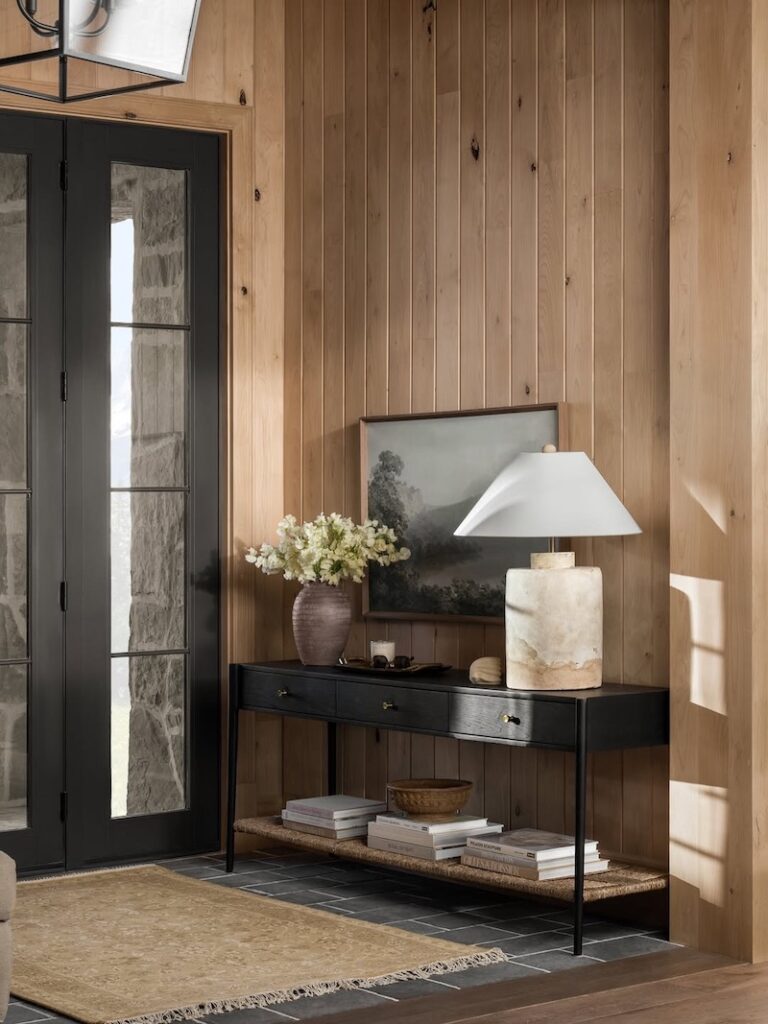
1. The Undertones Are Competing
This is one of the biggest insider designer secrets.
A room can feel visually “off” even when every item is beautiful if the undertones don’t coordinate.
For example:
- creamy walls with cool white trim
- warm oak floors with icy gray textiles
- beige seating with blue-gray stone
The room may not look obviously wrong, but it will feel unsettled.
Designer Color Tip
Choose one dominant undertone family for the room:
- warm
- cool
I always tell clients that undertone harmony creates instant calm and flow.
That’s one of the biggest differences between a professionally designed room and one that feels disconnected.
Explore: How To Identify Paint Color Undertones – To Choose The Right Color
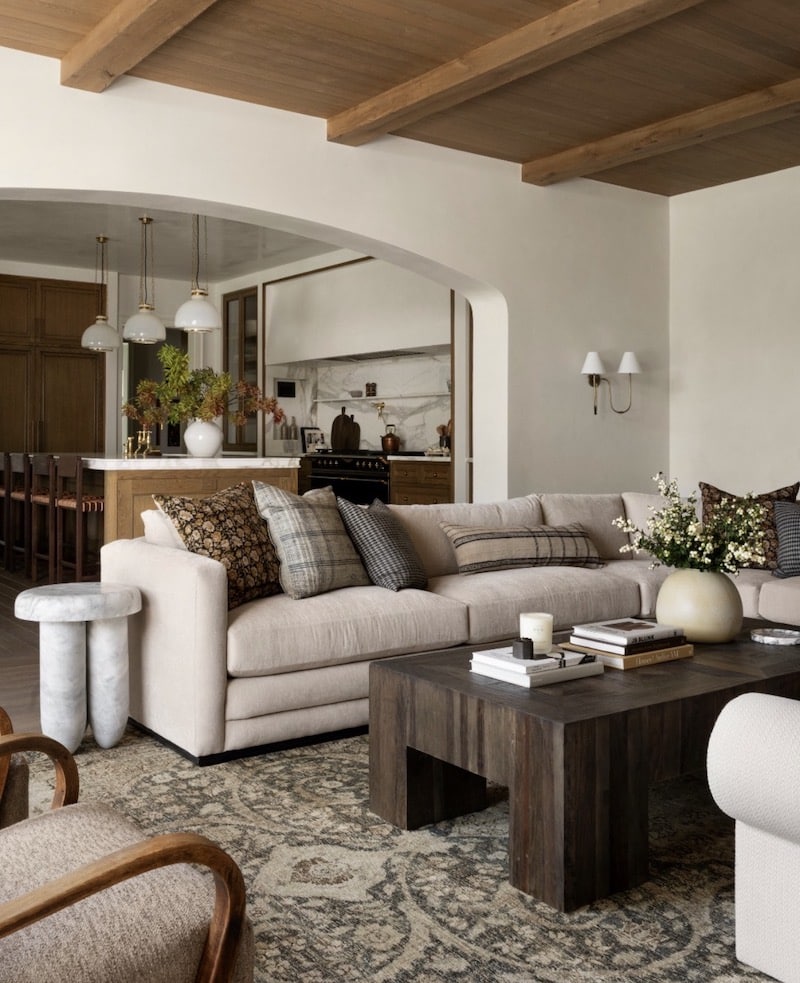
2. The Furniture Layout Is Throwing Off the Flow
Sometimes it isn’t the furniture itself.
It’s the spacing.
Poor furniture spacing is one of the fastest ways to make a room feel awkward.
I have a series of helpful posts on furniture arrangement tips:
Designer Measurement Tips
Use these professional spacing guidelines:
- 16–18 inches between sofa and coffee table
- 30–36 inches for walkways
- rug should sit under the front legs of major seating
These measurements make a room feel intentionally designed.
A laser measuring tool is one of my favorite quick designer tools for this.
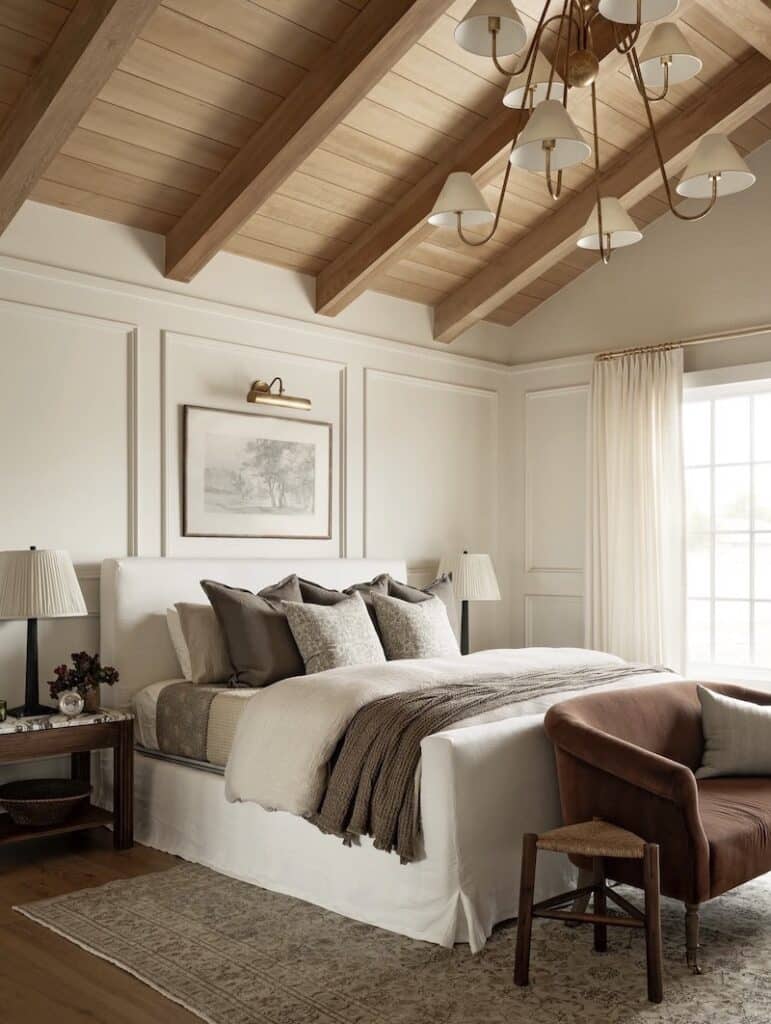
3. Your Lighting Is Changing the Paint Color
This is a huge insider secret most homeowners don’t realize.
The paint color may not be wrong.
The lighting may be changing how it reads.
North-facing rooms can make whites look cooler.
South-facing rooms often warm them up.
This is why the exact same paint color can look completely different from room to room.
Expert Color Tip
Always test paint colors in:
- morning light
- afternoon light
- evening light
This is one of the most valuable lessons I teach in my digital paint kits.
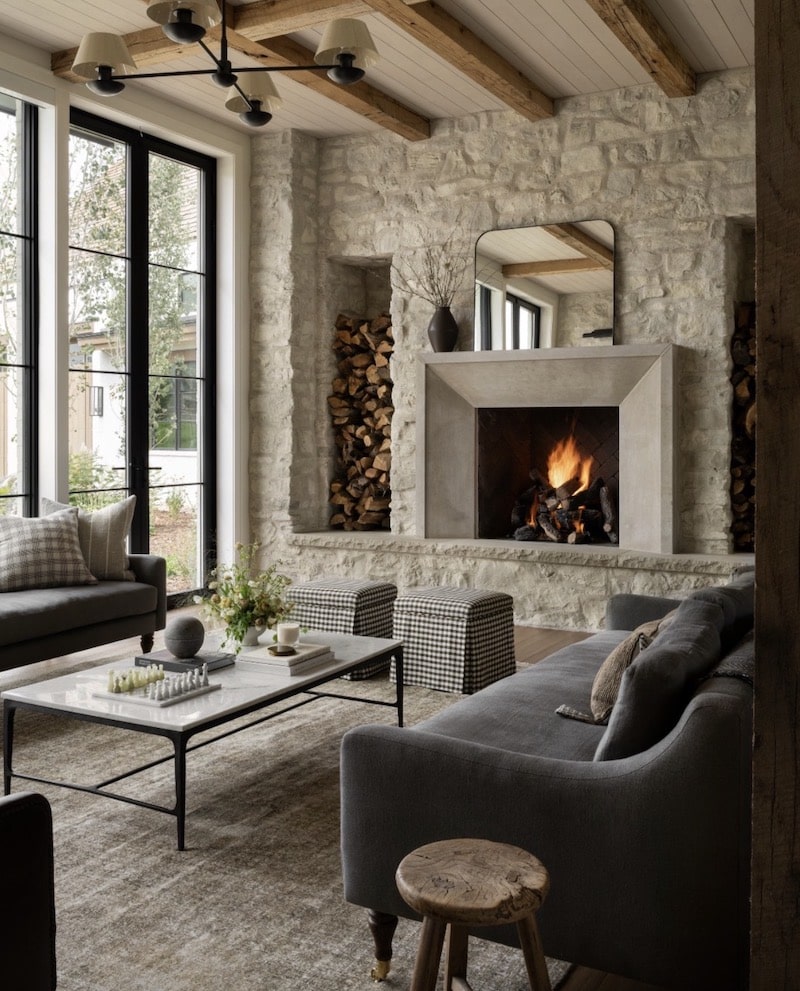
4. The Room Needs More Layering
The most beautiful spaces are layered.
It’s not about adding more stuff.
It’s about adding intentional design layers.
Think:
- texture
- lighting
- textiles
- organic shapes
- height variation
- styling accents
This is what makes a room feel rich and finished.
A beautiful textured throw , statement planter, or table lamp can instantly elevate the space.
See my top 50 decorative accents for coffee tables and bookcases
5. Balanced Height Variation
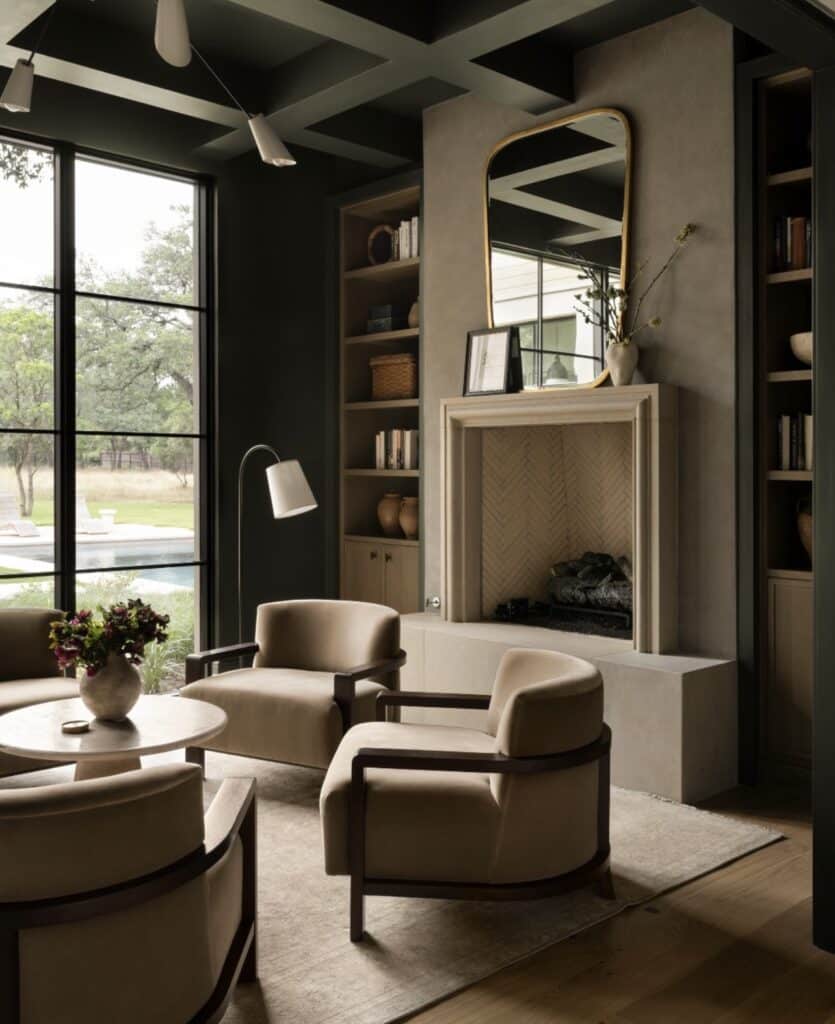
One of the designer secrets that instantly makes a room feel polished is balanced height variation.
If everything in the room sits at the same height — for example, a low sofa, low coffee table, and low accessories — the space can feel flat and visually one-note.
Beautiful rooms have a mix of heights that guide your eye around the space.
Think about layering:
- a taller floor lamp beside the sofa
- medium-height table lamps
- a tall real of faux tree in a planter
- lower coffee table styling
- wall art that draws the eye upward
- drapes that go high and wide
This creates movement and makes the room feel more thoughtfully designed.
Designer Tip
I always like to mix low, medium, and tall elements in every room so the eye travels naturally instead of stopping in one place.
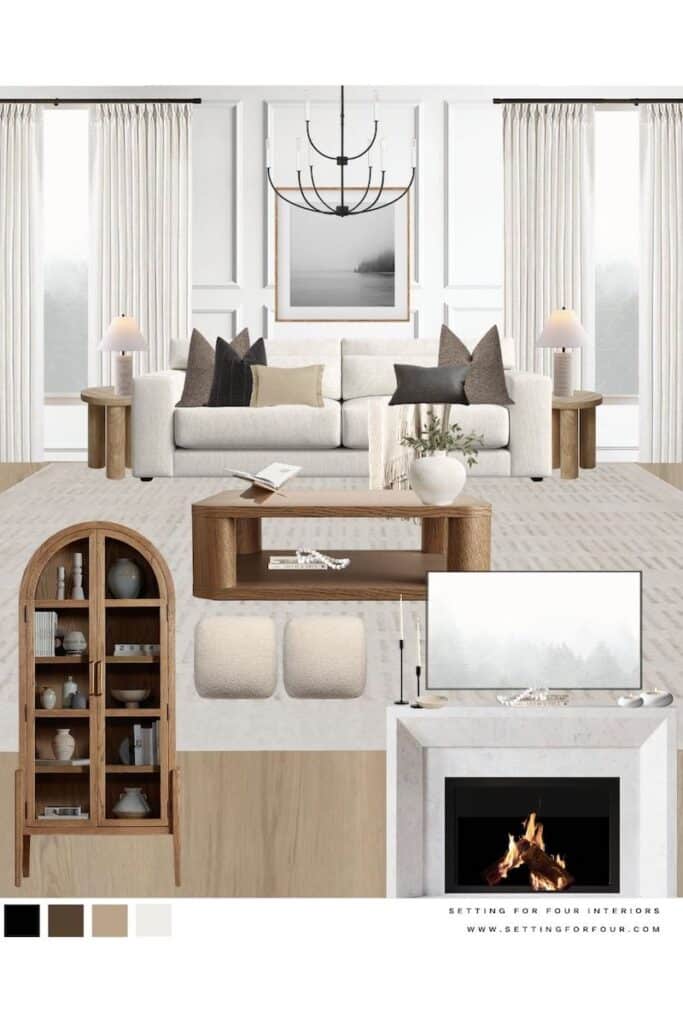
See all of the furniture and decor in this living room here.
6. Repeating The Accent Color 3 Times
This is one of my favorite insider styling secrets.
If you use an accent color only once, it can feel random.
But when you repeat it three times, it starts to feel intentional and beautifully designed.
For example, if your accent color is olive green, repeat it in:
- pillows
- artwork
- greenery or accessories
This repetition creates rhythm and balance.
Also apply the accent color around the room, not just in one area, for the best flow.
Designer Secret
I use the “rule of three” all the time when styling rooms because it helps the eye move naturally around the space.
It’s one of the simplest ways to make a room feel cohesive.
7. Color Flow From Room To Room
Another reason a home can feel “off” is when the color palette changes too abruptly from one room to the next.
A beautifully designed home should feel connected as you move through it.
That doesn’t mean every room needs to be the exact same color.
It means the undertones and palette story should flow.
For example:
- warm whites in one room
- soft beige or greige in the next
- repeating wood tones and metals throughout
This creates continuity and makes the whole home feel intentional.
Color Tip
Choose one core neutral and repeat it in several rooms.
Then build accent colors around it.
This is one of the biggest designer secrets for creating a whole-home look.
8. Proper Scale
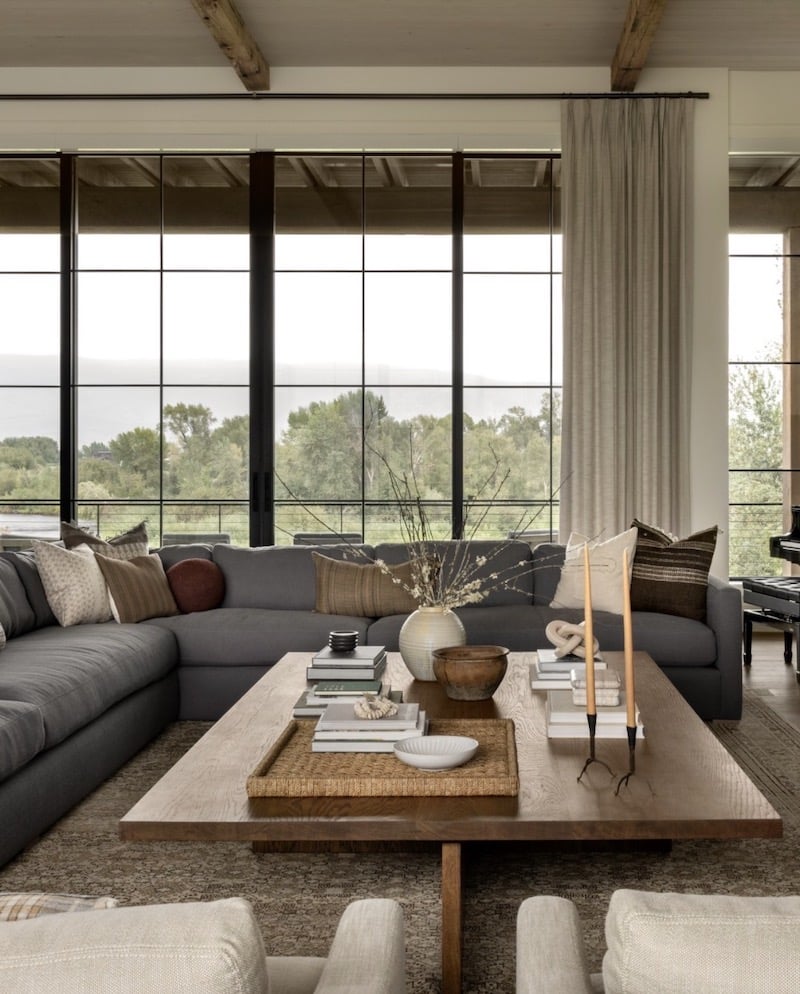
Proper scale is one of the biggest reasons a room can feel wrong.
This is one of the biggest problems I see all the time as a designer! My clients often have a sectional sofa that is too large in scale for the room and come to me for help. Hire me for a furniture layout plan before buying living room furniture – it will save you a lot of money and prevent stress.
Even beautiful furniture will feel off if the proportions don’t suit the room.
Examples:
- sofa or sectional that’s too big for the space
- art that is too small over a sofa
- an undersized rug
- tiny lamps beside oversized furniture
- a coffee table that looks lost in the room
Measurement Tip
A rug should ideally be large enough so that the front legs of the sofa and chairs sit on it.
For wall art above a sofa, aim for approximately two-thirds the width of the sofa.
These proportions instantly make the room feel professionally designed.
Designer Tip
When in doubt, most rooms benefit from going slightly larger rather than too small for art and decor.
Small-scale pieces are one of the fastest ways to make a room feel unfinished.
FAQ
Why does my home feel off?
Usually it’s due to undertone imbalance, incorrect spacing, flat lighting, or missing design layers.
Can paint color make a room feel wrong?
Absolutely. Paint undertones are one of the biggest reasons a room feels disconnected.
What is the best spacing for furniture?
A coffee table should be 16–18 inches from the sofa, and walkways should be 30–36 inches.
How do I make my room feel cohesive?
Coordinate undertones, improve furniture spacing, and add texture and layered lighting.
Ready for a Professional Designer’s Eye?
If your home still feels off and you can’t pinpoint why, this is exactly where my expertise comes in.
Strategic changes can completely change how your home looks and feels!
With the right design plan I’ll help you create spaces that feel truly you, are cohesive and effortlessly chic.
As a Designer and True Color Expert®, I offer virtual interior design services to help you create a cohesive, elevated, and beautifully finished home.
Tailored to your style, your needs and your home!
Ready to love your home again?
More Design and Decor Ideas
- Top 50 Bestselling Paint Colors At Sherwin Williams
- The Best Greige Paint Colors for a Timeless Home
- Agreeable Gray – Undertones & Coordinating Colors
- How to Make Your Home Look Cohesive and Pulled Together – The Right Way!
- 10 Designer Tricks to Make a Small Space Feel Bigger
- 5 Design Tricks To Brighten A Dark Room
- How To Make A Small Living Room Feel Larger!
- How To Arrange Furniture With An Open Concept Floor Plan
- Big Impact Living Room Decorating Ideas